
Showing posts with label P1. Show all posts
Showing posts with label P1. Show all posts
Saturday, 16 March 2013
Tuesday, 5 March 2013


Monday, 25 February 2013
[Updated] 2013 McLaren P1 - Are these the official pictures? - They are!
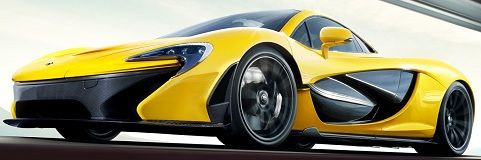
Six new pictures of the McLaren P1 have showed up in a Russian website and are claimed to be the official images of the production version of the British supercar. While i cannot confirm this for now, the latest spy pictures of the P1 were from an yellow test mule.
So if this is really the production version of the P1 we already known almost everything about the car, since the drivetrain was revealed five days ago. For those who didn't read it here, it has a mid-mounted 3.8 liter twin-turbo V8 petrol engine (M838T) working together with an electric motor for a combined output power of 916PS (903bhp) and a maximum torque figure of 900Nm (664lb/ft).
The petrol engine produces 737PS (727bhp) at 7500rpm, and 720Nm of torque from 4000rpm, while the electric engine delivers 179PS (176 bhp) with 260Nm of torque being available from a standstill. They are both connected to a single dual-clutch seven-speed gearbox driving the rear wheels.
Update: Meanwhile McLaren revealed the following.
Source: autowp


Update: Meanwhile McLaren revealed the following.
Zero to 100km/h will take less than 3 seconds, zero to 200 km/h under 7 seconds, and zero to 300 km/h will be achieved in no more than 17 seconds. Putting that into perspective, that’s 5 seconds faster than the legendary McLaren F1 road car. Top speed is electronically limited to 350 km/h.There you have it, everything you need to know about the P1!
McLaren has also announced that the car will cost from £866,000 on the road with a specification that fully equips the car for both road and track use.
Source: autowp
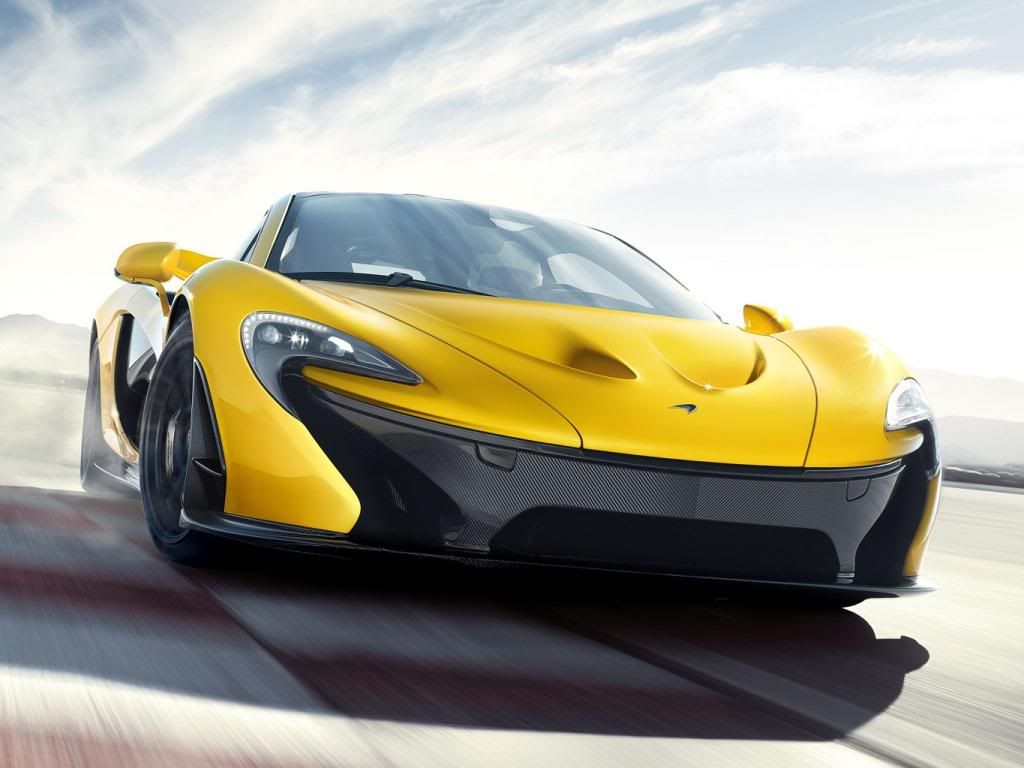

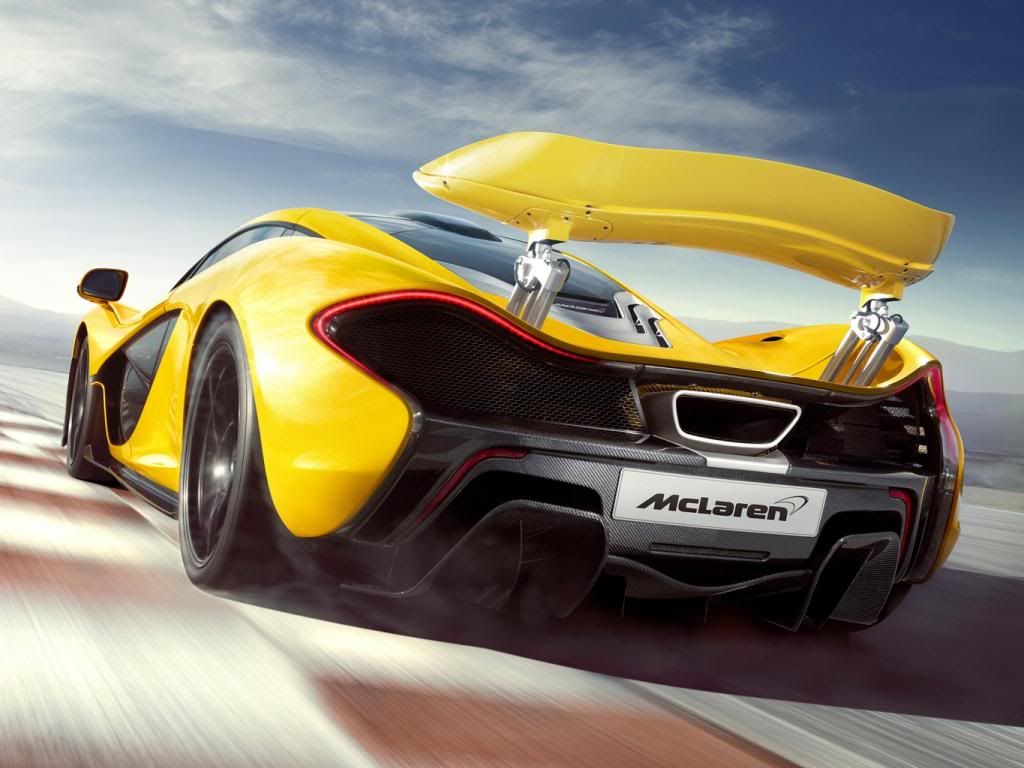
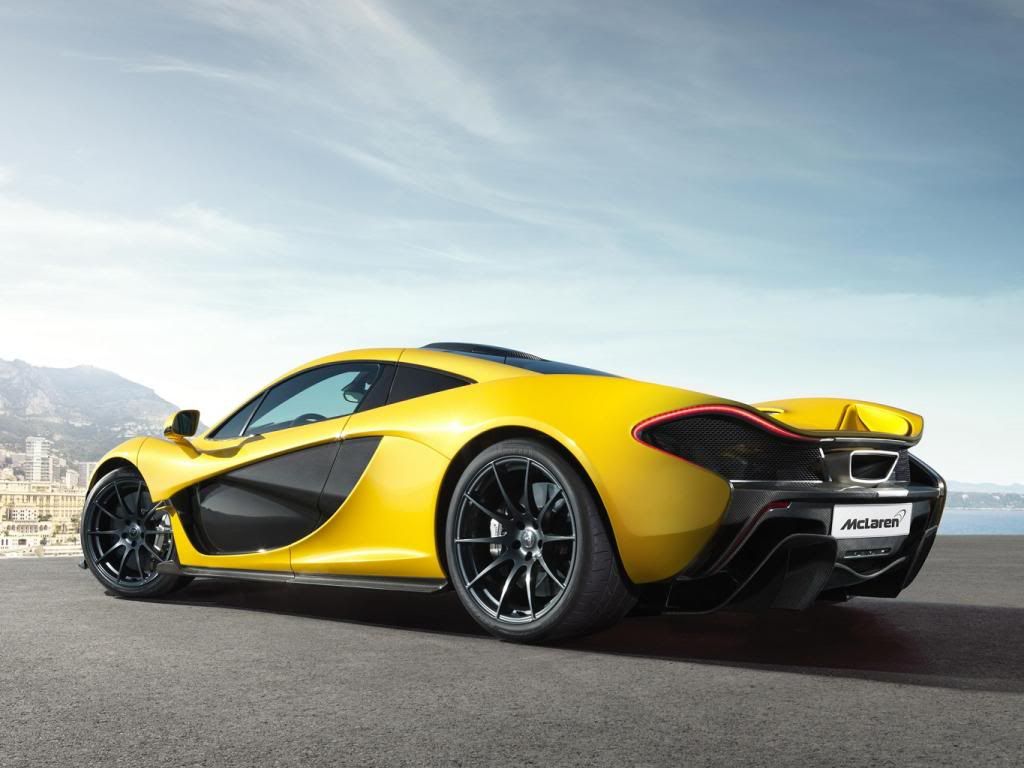

Yellow McLaren P1 | WG + PR


McLaren Automotive has released the final numbers, images and information relating to its phenomenal McLaren P1™ ahead of a global reveal in just a few days at the 83rd International Geneva Motor Show.
The race-inspired Instant Power Assist System (IPAS) gives the McLaren P1™ astonishing performance. Zero to 100km/h will take less than 3 seconds, zero to 200 km/h under 7 seconds, and zero to 300 km/h will be achieved in no more than 17 seconds. Putting that into perspective, that’s 5 seconds faster than the legendary McLaren F1 road car. Top speed is electronically limited to 350 km/h.
McLaren has been engaging with potential customers actively in the last few months to get their views on the McLaren P1™, about the car’s styling. Their unanimous verdict on the styling was not to change the car presented last September in Paris. So unusually, the McLaren P1™ has translated to production form with very little change. In fact just one, the addition of LTR ducts ahead of each of the front wheels to further aid cooling and optimise downforce.
McLaren has closely monitored demand so as to maintain exclusivity, and announced a production number of just 375 units – a figure that will ensure the McLaren P1™ will remain a rarity and, if spotted on the road, an unforgettable sight.
McLaren has also announced that the car will cost from £866,000 on the road with a specification that fully equips the car for both road and track use. The company prides itself on designing performance cars that their owners can use regularly so the McLaren P1™ comes comprehensively equipped as standard with an array of colour and trim alternatives from which the customer will be able to choose as well as visible carbon fibre in the cabin. The options list is limited to only bespoke content that a customer might wish to add through McLaren Special Operations, and fitted luggage.
As already announced, the McLaren P1™ will have the combined force of two highly-efficient powerplants, offering the optimum mix of superb throttle response, day-to-day drivability and top speed. A mid-mounted 3.8-litre twin-turbo V8 petrol engine is substantially enhanced featuring, for example, larger turbochargers and a highly effective electric motor, to give a combined output of 916PS (903 bhp) and a maximum torque figure of 900Nm. This ensures instantaneous throttle response through the rev range, more akin to a naturally aspirated engine. Emissions of less than 200g/km on the combined cycle are reduced to zero in full electric drive mode, while the Formula 1-derived DRS and IPAS technologies offer an increase in straight-line speed and an instant boost of power.
The tyres fitted to the McLaren P1™ are specially developed P Zero Corsas, which have been developed with McLaren’s technology partner, Pirelli. The team at Pirelli has been involved throughout the entire development programme, and this has seen the tyre testing phase integrated into the schedule, as a key performance component. The final compound and construction has been developed and optimised during testing, and the end result is a tyre that is finely tuned specifically to the performance and handling characteristics.
To rein in the power produced by the twin powerplants, the McLaren P1™ is designed to offer braking performance more associated with a GT3 or sports racing car. Developed by McLaren’s Formula 1 partner Akebono, the system features a new type of carbon ceramic disc, which has previously seen service in space, but never before used on a road car. Stronger than conventional carbon ceramic, the material dissipates heat more effectively, giving the highly efficient braking system exceptional stopping and cooling capability. The system also boasts significantly reduced weight, and a bespoke ceramic layer coats both friction surfaces to give an attractive mirrored finish.
One surprising feature is that the car can also be driven solely in electric mode. In city driving, with an average speed of 30 mph, this could mean up to a 20km range. More than enough for an owner to enter, for example, a city centre Zero Emissions Zone, have dinner and return home.


Wednesday, 20 February 2013
McLaren reveals the P1 powertrain. Hybrid V8. Over 900hp
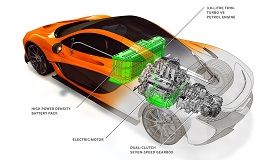
The only thing left to know about the upcoming supercar from the British company, McLaren, was the engine and respective performance figures, and today that information was revealed along with some explanations on the operation of the hybrid engine.
The mid-mounted 3.8 liter twin-turbo V8 petrol engine works in conjunction with an electric motor for a combined output power of 916PS (903bhp) and a maximum torque figure of 900Nm (664lb/ft). The petrol engine is the familiar M838T unit that alone produces 737PS (727bhp) at 7500rpm, and 720Nm of torque from 4000rpm, meaning the electric engine is responsible for 179PS (176 bhp) with 260Nm of torque being available from a standstill.
The electric motor is directly connected to the petrol engine and they are mated to a dual-clutch seven-speed gearbox that drives the rear wheels.
The CO2 emissions are under 200g/km and will be zero when only the electric engine is working. The P1 utilizes technology taken from the Formula 1 like the IPAS (Instant Power Assist System) and DRS (Drag Reduction System) offering an instant boost of power and raising the straight-line speed.


BigMac has 916HP


The 3.8-litre twin-turbo V8 petrol engine in the McLaren P1™ is a new version of the familiar M838T unit, that has been significantly upgraded to optimise cooling and durability under the higher loads. The engine block has a unique casting to incorporate the electric motor. The petrol engine produces 737PS (727 bhp) at 7,500rpm, and 720Nm of torque from 4,000rpm. To optimise efficiency of the petrol engine, extensive testing and development work has always been carried out with McLaren Automotive technology partner Mobil 1 on lubrication and hydraulic fluids.
The lightweight electric motor, developed by the McLaren Electronics arm of the Group, produces 179PS (176 bhp), and is unique to the McLaren P1™. The motor produces maximum torque of 260Nm instantly from a standstill, greatly increasing the throttle response of the McLaren P1™, and peak combined torque of 900Nm is delivered from just 4,000 rpm. In addition to this, the McLaren-developed ‘boost’ system, IPAS, provides up to 179PS instantly. The instant response of the electric motor provides a sharper throttle response more associated with a normally aspirated engine, and the significantly enhanced air-charging system enables the McLaren P1™ to have more top-end power – the perfect combination for high performance.
The electric motor is mounted directly onto the engine, and all drive is channelled through the dual-clutch seven-speed gearbox to drive the rear wheels. Thus, the electric motor and 3.8-litre twin-turbo V8 petrol engine work seamlessly together, providing more than just added ultimate power and torque.
A further benefit is that the e-motor can provide faster upshifts. This is achieved through the application of instant negative torque at the point of shift, making the engine revs drop as quickly and efficiently as possible to the required engine speed for the upshift.
In addition to the obsessive weight-saving measures demonstrated throughout the McLaren P1™, so too is the optimisation of usable energy. When off-throttle the electric motor provides additional drag torque, recovering energy to the battery that would otherwise be lost to the brakes.
E-mode
The McLaren P1™can be driven in a variety of modes, powered by the engine and electric motor together, or solely by the electric motor. This ensures versatility and ease of transportation, allows use in low emission zones and residential driving is optimised with near-silent running.
Maximum power comes when using both powerplants together, but even in E-mode the performance is strong. E-mode is the most economical mode available with zero tailpipe emissions. In E-mode, the McLaren P1™ can travel more than 10km with electric-only power – enough for most city journeys. When the battery is empty, the petrol engine will automatically start to maintain drive and charge the battery.
IPAS and DRS optimise performance and throttle response
The power available via the petrol engine and electric motor is further enhanced on the McLaren P1™ through two steering wheel-mounted buttons which activate the DRS (Drag Reduction System) and IPAS (Instant Power Assist System).
The Drag Reduction System used on the McLaren P1™ is a technology similar to that employed on Formula 1 cars. Speed is increased by reducing the amount of drag on the rear wing and, where the MP4-28 has a moveable flap on the rear wing, the McLaren P1™ has a wing that reduces in angle to lower drag by 23%. The system immediately deactivates when the button is released, or if the driver touches the brake pedal.
IPAS is designed to deliver power rapidly for high performance acceleration, and provides 179PS of instant additional power. In developing the IPAS technology for the McLaren P1™, power delivery was prioritised over energy storage. This is achieved through a groundbreaking, lightweight battery pack, which offers greater power density than any other automotive battery pack on sale today.
Battery
The high power density has been achieved through a combination of high power cells, low pack weight and an innovative cooling system. The battery weighs just 96kg, and is mounted onto the underbody of the high-strength Formula 1-grade carbon fibre MonoCage chassis, which seals the unit in the vehicle, thus avoiding the added weight of any unnecessary battery packaging.
Due to the amount of power being supplied by the battery, complex cooling is required to guarantee cell performance and reliability. The coolant flow is balanced so each cell is cooled to the same temperature across the entire pack.
In addition to the battery being charged via the engine, the McLaren P1™ is also equipped with a plug-in charger which can recharge the battery, from empty, in only two hours. The plug-in charger can be stored in the luggage compartment, although the customer may choose to store it off-board – in a garage or the pits – to save weight.
Further details of the McLaren P1™ will be released in the coming weeks, before the production-ready car makes its world debut at the Geneva Motor Show next month.
Wednesday, 13 February 2013
McLaren reveals more images ahead of its arrival in the United Arab Emirates

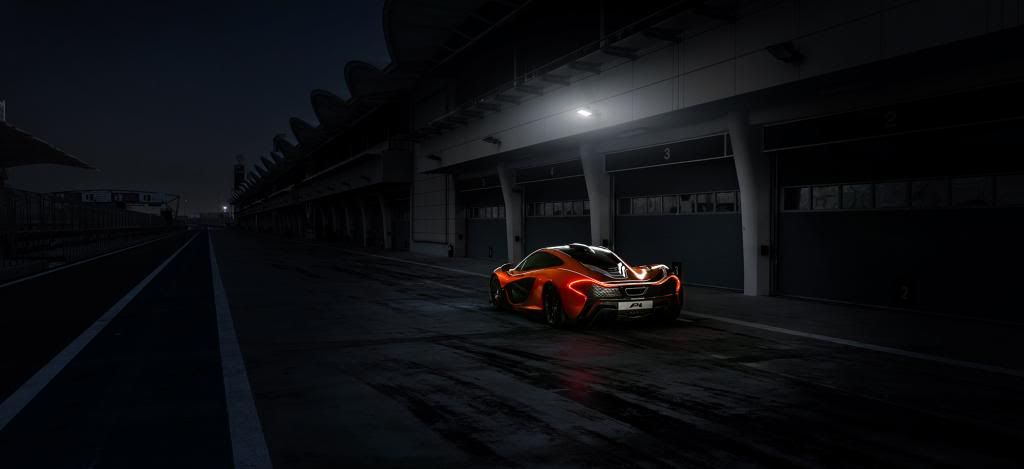
The Mclaren P1 is one of the most awaited cars of this year and slowly the British company reveals more and more pictures. These were taken at the Bahrain International Circuit ahead of its arrival in the United Arab Emirates this week for a private event as part of their Middle East tour.
McLaren Automotive Regional Director for the Middle East & Africa, Mark Harrison said the following: “After a successful launch in Bahrain, we are very excited to be bringing the McLaren P1™ to the United Arab Emirates, where our retail partner, Al Habtoor Motors, has confirmed huge interest in this unique car. This year marks our 50th year anniversary, so it is apt that we are gearing up to launch a car that we feel will redefine the parameters for performance, on both circuit and road. This is why we have released these unique and stunning images, taken at the BIC, a location absolutely fitting for this supercar. ”
Enjoy!




Tuesday, 12 February 2013
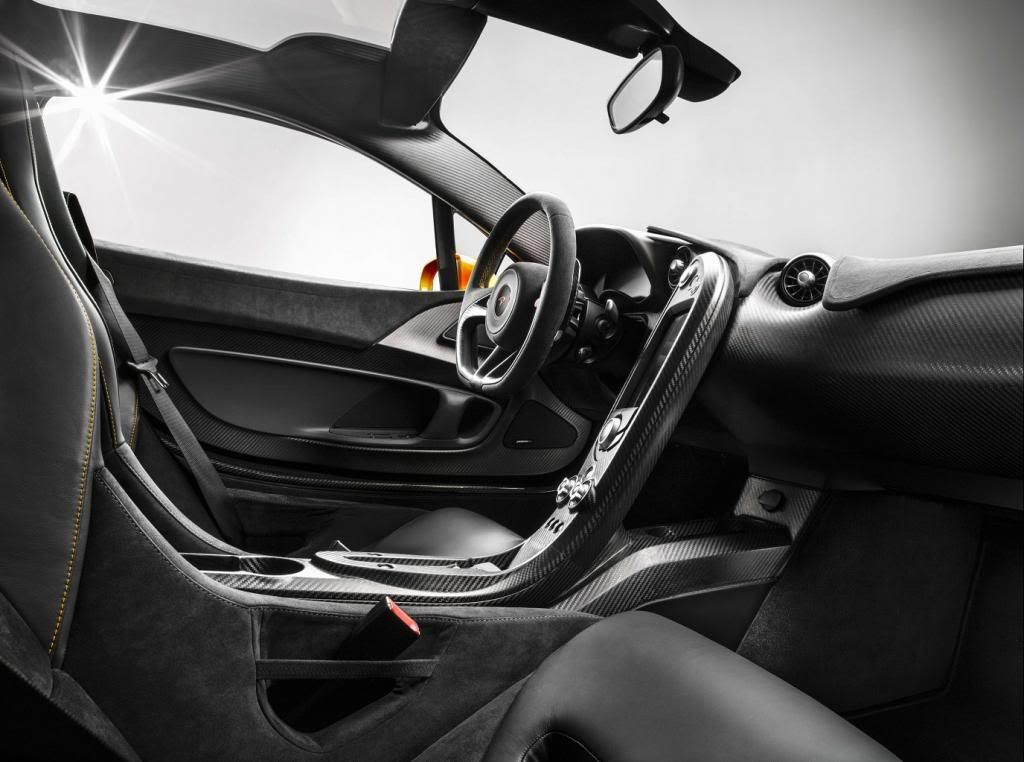
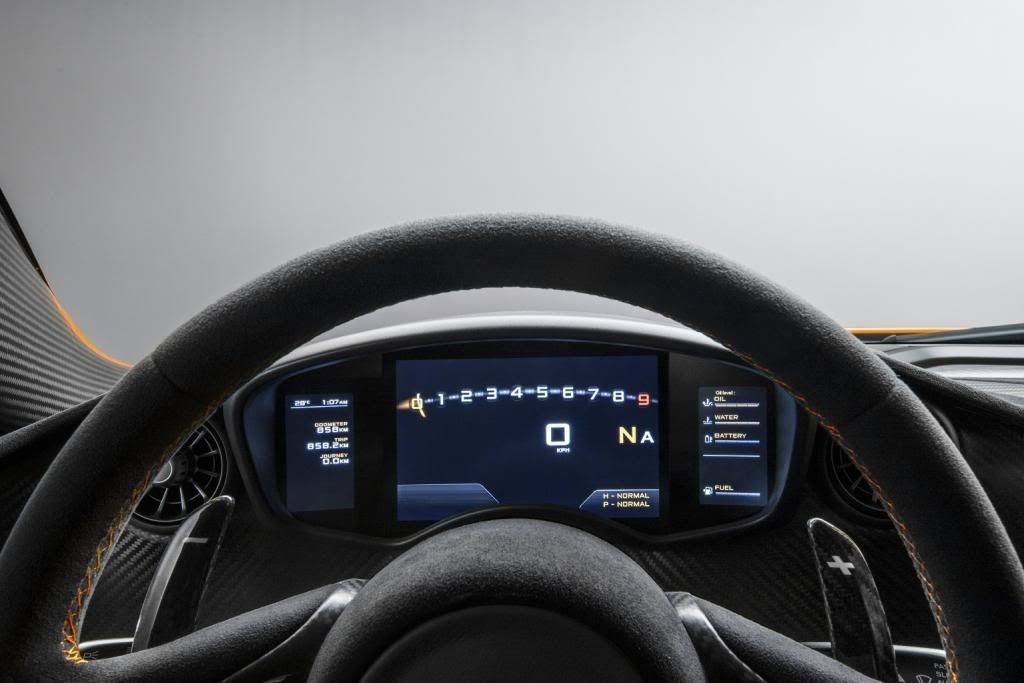
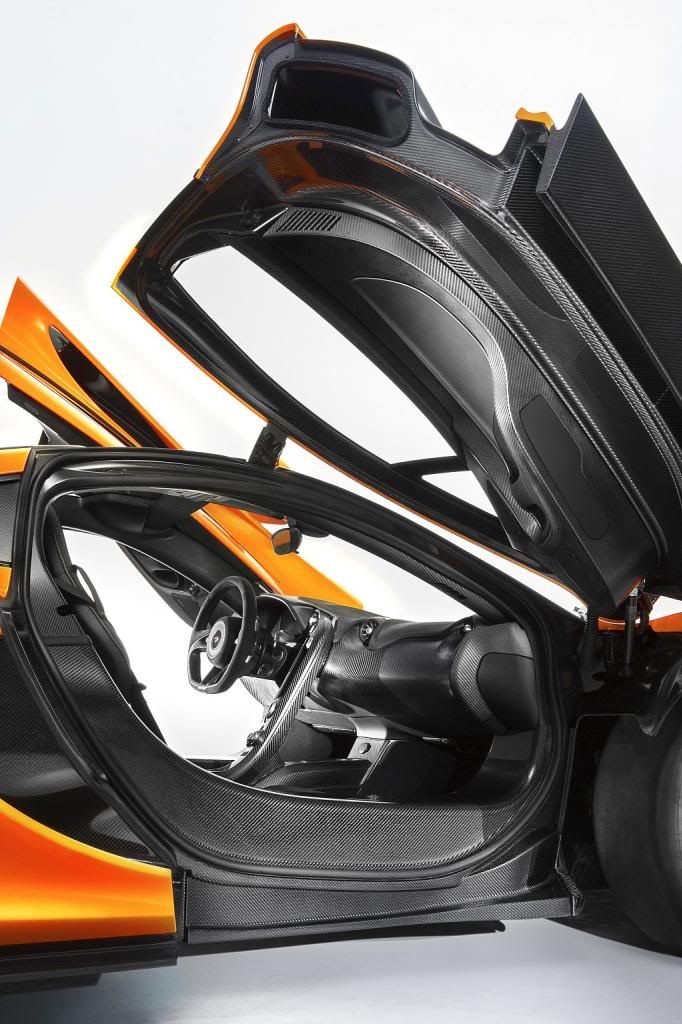
McLaren reveals the interior of the P1
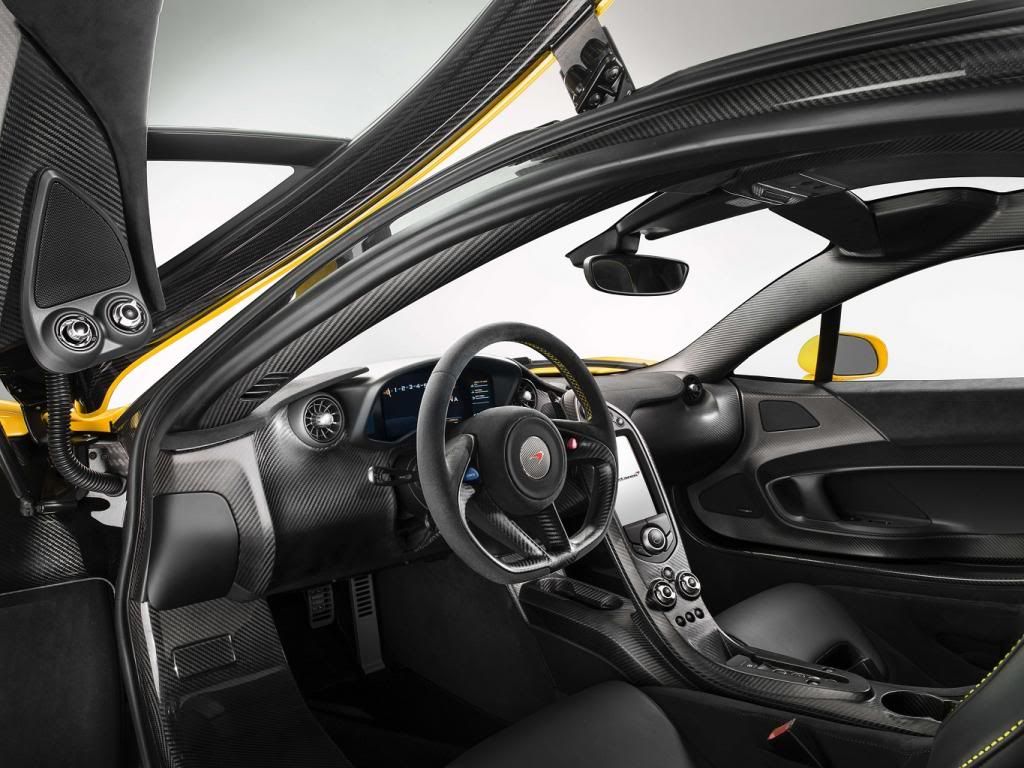
Slowly the British company reveals a bit more information about their new supercar, first it was a video, and this time we get to see the minimalist cabin and the extensive use of carbon fiber in the interior, saying it is the "cockpit of a fighter jet".
But while it is minimalist it still has all those luxury features found in other cars like a full climate control, satellite navigation and a bespoke sound system.
The objective was to save weight and keep the car light. It doesn't have an interior sound deadening, no carpets (it's optional), the racing bucket seats use the minimum amount of foam and most of the interior lacks a trim.
McLaren will relaese more information in the upcoming weeks, with the official presentation taking place at the Geneva Motor Show.


Friday, 25 January 2013
McLaren previews the P1 in a Video
 |
| Click here for the production version |
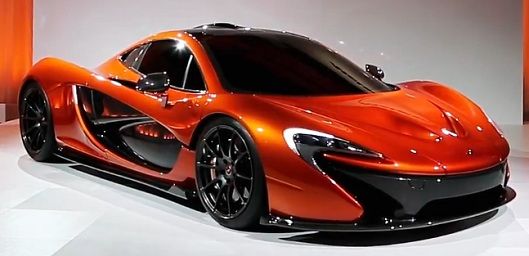
The successor to the legendary F1 supercar will be named the P1 and has been shown in the Paris Motor Show in September 2012, but one thing is the look of the car another is how it drives, and the people at McLaren are hard at work on that aspect, so to prove that they released this video featuring the new supercar in a "relentless testing program".
Even if the new car still has some camouflage it doesn't look any different from what we have seen. The somewhat weird lines are a proof that form follows function. Rumors point to an V8 twin-turbocharged engine with 3.8liters and around 800hp, meaning it will be fast. Probably even faster thanks to the use of carbon fiber to keep the weight down.
The production version should be introduced at the Geneva Motor Show in March with sales starting in the summer. Only 500 will be built for a price of over €750.000 ($1.000.000).
Monday, 24 December 2012
McLaren P1 production version presented at a private event in New York [Video]
The P1 is the spiritual successor to the F1, a car that revolutionized the automobile world in the 90s, and is still loved and worshiped by many.
When the concept was introduced at the Paris Motor Show, McLaren said the production version would retain almost everything from the concept and they complied with their word. 97% of concept is exactly equal to the final version, and the differences are summed up to a few vents that will be added to the front bumper to allow some of the warm air coming from the radiator to exit from the side, and at the back there will be a tighter mesh that will still allow a view of the engine.
Source: Motoroids
Nothing was revealed about the engine, except it will have at least 3 radiators. It will have a panoramic roof, full carbon fiber discs, and super aluminum wheels. The car is schedule to debut next year.
Source: Motoroids


