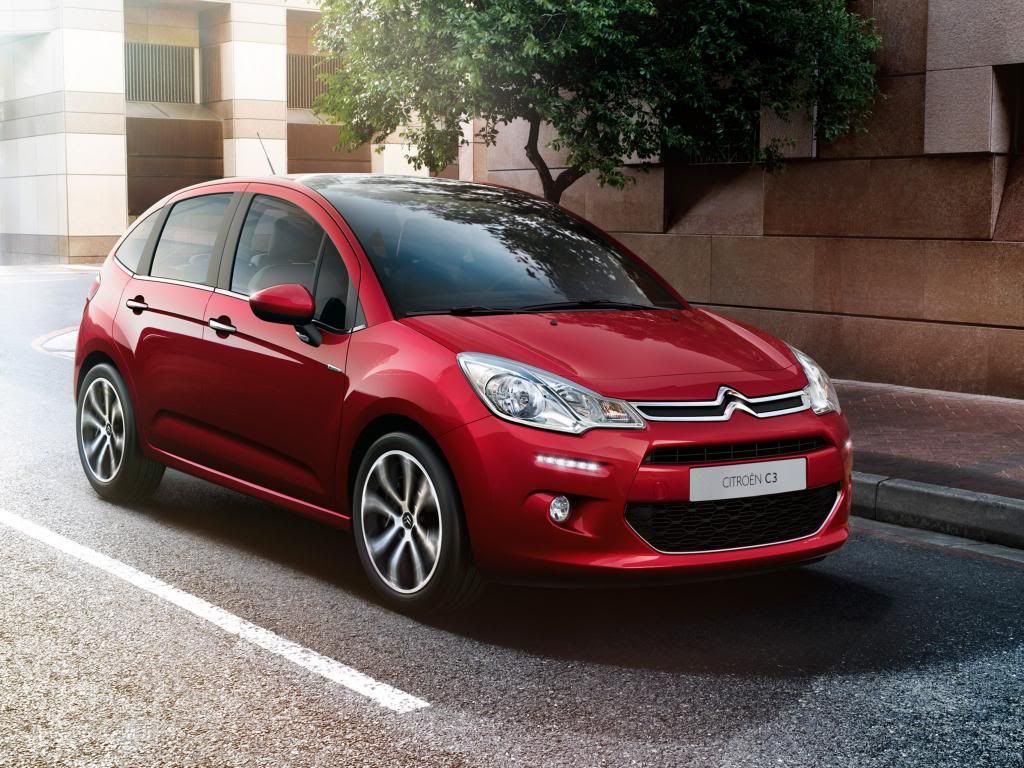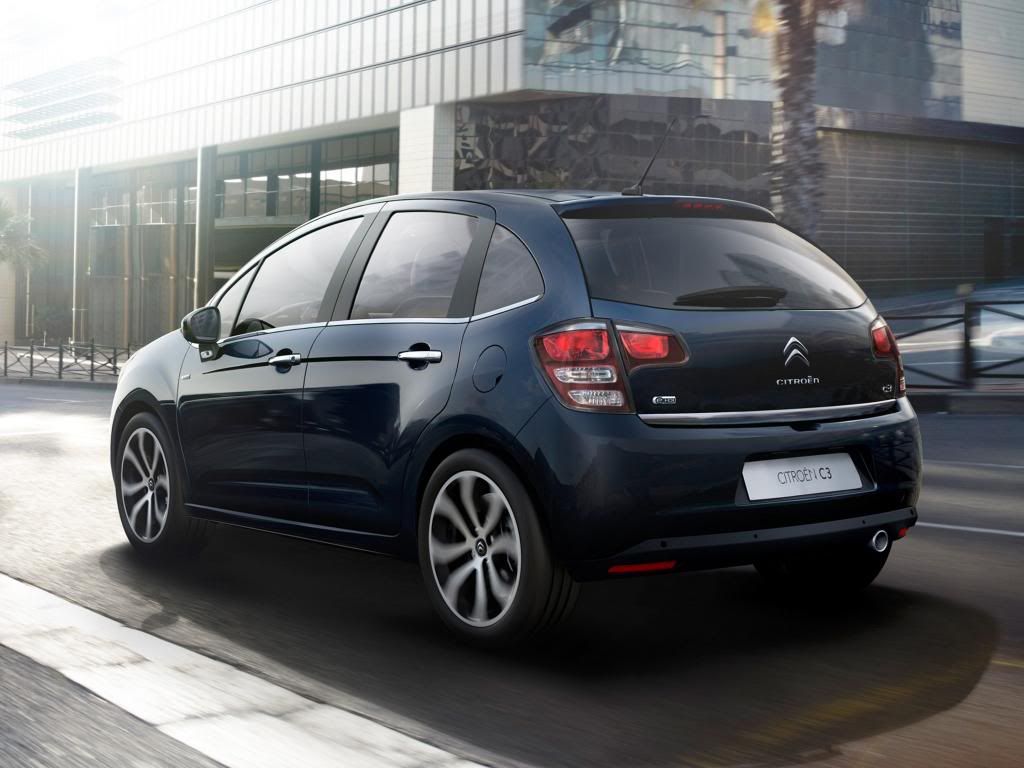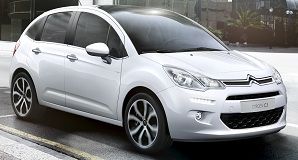
Citroen will bring the improved C3 to the Geneva Motor Show saying it is the world debut of the little car. The problem is we already saw the car. It was introduced in Brazil in the summer of last year, so lets call it an European premiere of the redesigned C3.
The front of the car was changed, with the exception of the headlamps, and now have the double chevron as the grille, LED daytime running lights in the bumper and redesigned rear tail lights.
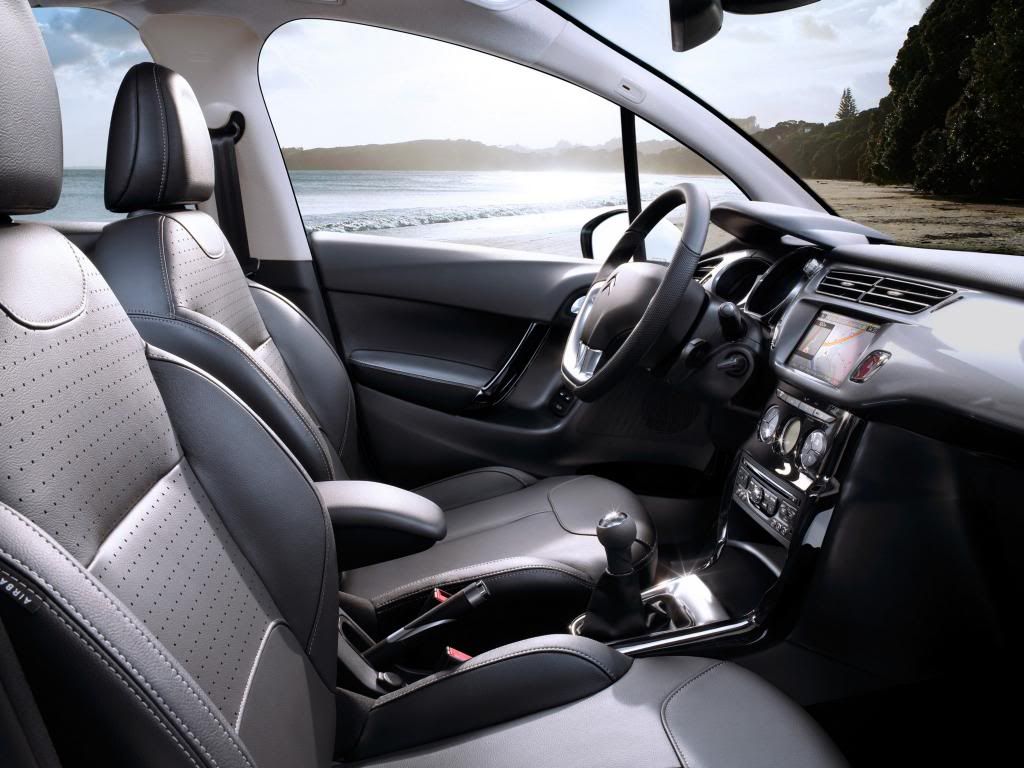
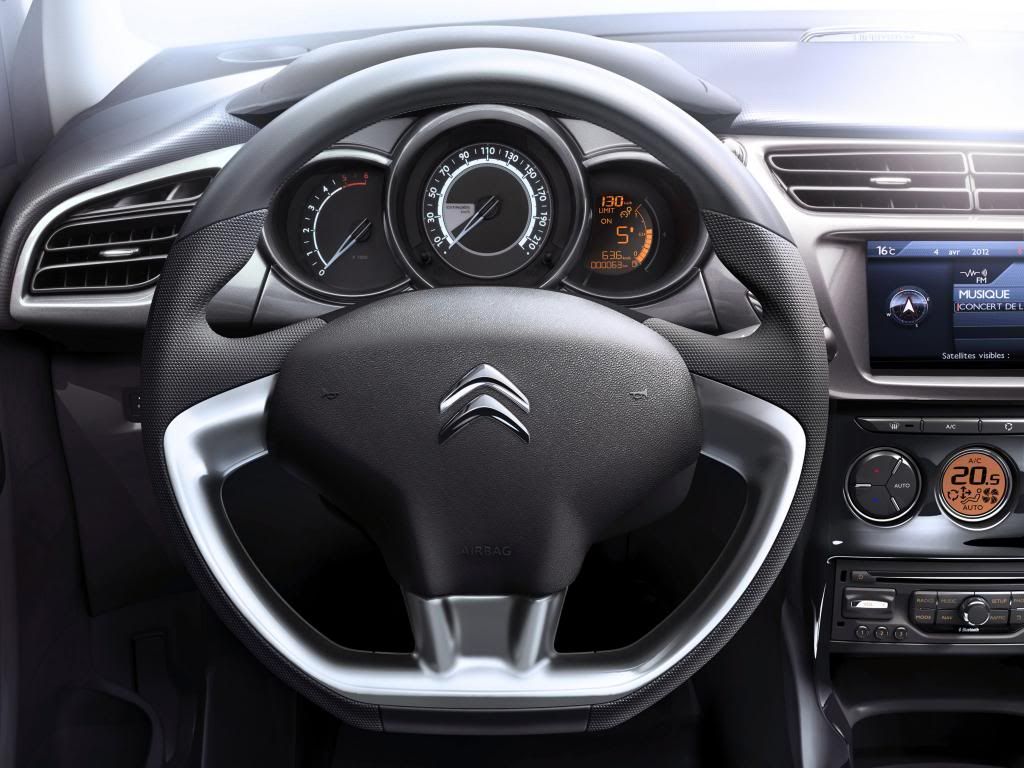
Inside we get chrome surrounds with a thermo-coated dashboard, with strips in matte black, warm brown or Moondust grey, matching the updated upholstery.
The new VTi 68 and VTi 82 engines have an average fuel consumption between 4.3 and 4.5l/100 km, and CO2 emissions, between 99 and 104 g/km, while the VTi 120 engine, which is available with a manual or an automatic gearbox, rounds out the petrol engine offer. The new Citroen C3 is also available with five (slow) diesel engines, the HDi 70, e-HDi 70, HDi 90, e- HDi 90 and e-HDi 115.
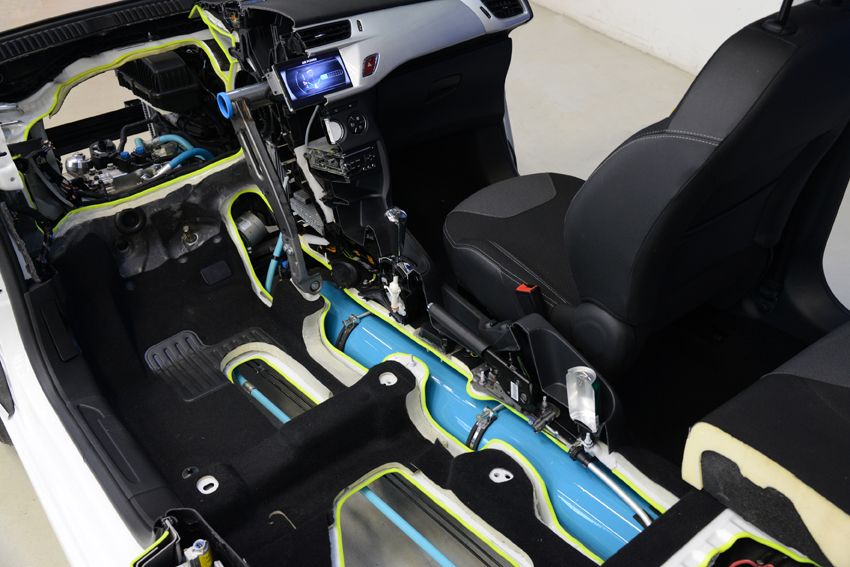
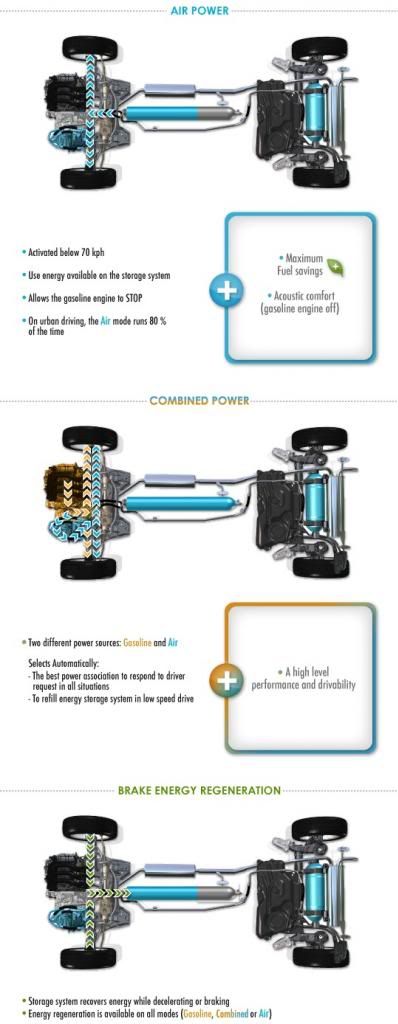
It will be available right after the Geneva Motor Show with a Hybrid-Air version that consumes only 2.9l/100km and emits just 69g/km of CO2.